

Movies and TV Shows That Changed How I See Motherhood
From childbirth trauma to postpartum grief, these stories reveal the emotional and psychological realities of motherhood that society often ignores.
Hera Pictures
Motherhood is often portrayed as something soft and sacred but film and television have increasingly begun to show a different reality. Some of the most impactful stories I have watched in recent years explore motherhood through fear, bodily transformation, grief, isolation, and emotional collapse.
These movies and TV shows do not just romanticize being a mother. They examine what it actually costs. For this Mother’s Day, I keep thinking about the stories that have reshaped how I understand motherhood, not just as an identity, but as a physical and psychological experience that can permanently alter a person.
Below are the ones that stayed with me the most.
The Handmaid’s Tale
This is pretty obvious. The entire premise of this story is a nightmare. Society is no longer able to reproduce, and a violent religious regime overthrows the government under the promise of saving humanity. Their solution is to kidnap women who have a history of pregnancy and force them into reproductive servitude.
That alone is disturbing, but what makes it even more unbearable is how motherhood is controlled, staged, and taken away from the women experiencing it.
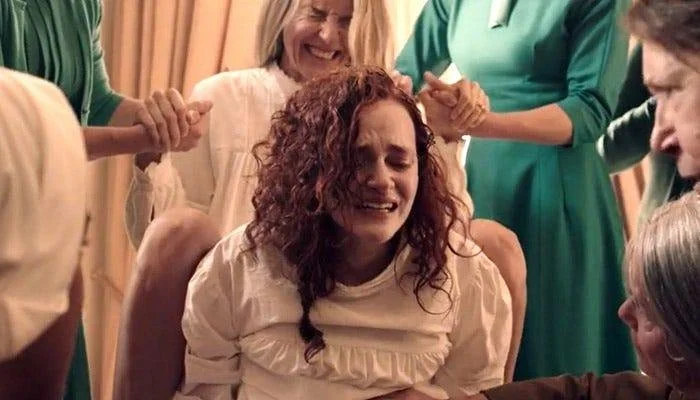
One of the most haunting scenes is Janine giving birth. She is surrounded by other handmaids and forced into a ritualized childbirth while the commander’s wife pretends to give birth behind her. It is surreal in the worst way. You are watching a woman go through one of the most vulnerable experiences of her life while completely stripped of ownership over it.
After she gives birth to a healthy baby girl, Janine is not even allowed to hold her first. That moment is devastating. You can see that she did not want this life forced on her, but she still feels love and connection to the child she brought into the world.
Another scene that stayed with me is when June gives birth to Holly alone while on the run. It is the opposite situation. No ritual, no control, just survival. She gives birth in isolation and catches her baby with her own hands, exhausted and barely conscious. It is terrifying, but also intimate. For a brief moment, she is allowed to simply be a mother on her own terms.
Both scenes show different sides of the same idea. Motherhood under extreme conditions still carries love, endurance, and survival, even when everything else has been stripped away.
Hulu
The Testament of Ann Lee
The Testament of Ann Lee did not get nearly enough attention, which is disappointing because it is one of the most psychologically layered portrayals of faith and motherhood I have seen.
Ann Lee’s story is shaped by repeated loss. She loses all four of her children in infancy, and that grief plays a strong influence in her faith and beliefs. Afterward, she turns toward extreme religious devotion and eventually celibacy, rejecting sex entirely and devoting herself fully to her faith.
There is a lot to unpack in her transformation. Her relationship with sexuality is complicated, shaped not only by loss but also by discomfort and trauma. Motherhood itself becomes tied to suffering in her mind, something sacred but also punishing.
After her final child’s death, she becomes increasingly devoted to her beliefs and eventually becomes a huge influence in the Shaker movement. During an imprisonment scene shortly after her last child’s death, she refuses to eat and begins experiencing visions of Adam and Eve, which leads to her to a vow of celibacy.
Whether Ann believed that sex was the original sin or that childbirth itself was a form of punishment is unclear. What feels clear is that grief reshaped her entire understanding of womanhood and motherhood.
Searchlight Pictures
House of the Dragon
House of the Dragon ended up being far more emotionally impactful than I expected. While I came into it expecting political drama within the Targaryen family, what stood out most was how centered it is on motherhood and feminism, and how differently each woman experiences it.
The conflict between Rhaenyra Targaryen and Alicent Hightower is a deep tense rivalry about duty, freedom, and what motherhood demands from women.
Alicent embodies duty. She follows the expectations placed on her: marriage, childbirth, obedience, even when it costs her personal happiness.
Rhaenyra, on the other hand, resists those expectations. She still becomes a mother, but she does it on her own terms. I would be biased to not acknowledge that she was also allowed to do this because of her royal status. This adds another layer of the beef between her and Alicient.
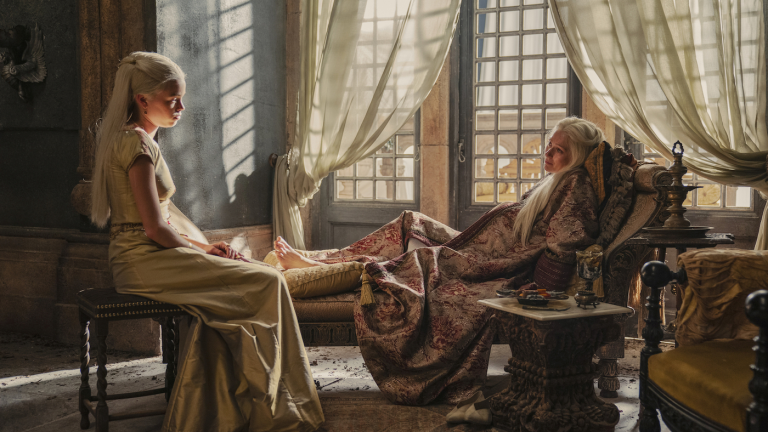
The first episode of House of the Dragon is a traumatic episode because we witness Rhaenyra’s mother die during childbirth. In one episode, we see that Rhae Rhae is not a princess who wants to do what is expected of her. She likes to ride dragons, she does not find her mother’s pregnancy appealing, and she has to later grasp the fact that her mother has died from something that was considered to be her duty as a woman. And her death is quite horrific. The show does an excellent job of making you feel for this woman’s suffering during childbirth after meeting her only 30 minutes prior to her ultimate death. At one point, she even tells her husband, the king, that this is the last time that she will try to birth him a male heir because she has lost too many children and she cannot bear the state of pregnancy and childbirth again. Tragically enough, it did indeed end up being her last time.
Knowing what happened to her mother, Rhaenyra had every right to fear pregnancy, childbirth, motherhood, and her duty as a woman. She later found a way to make peace with it through unconventional means (procreating with a man who was not her husband) and ultimately became a very loving mother to her children and a queen of the kingdom. Alicent, on the other hand, was groomed to marry a man she did not want and bore him children because it was expected of her. Are either of these women more respectable women or mothers? By the end of season 1, there appears to be a glimpse of hope that can be reconciled, but then one of them loses a child at the hands of the other, and the war enters a territory of maternal anger that cannot be returned.
HBO
Hamnet
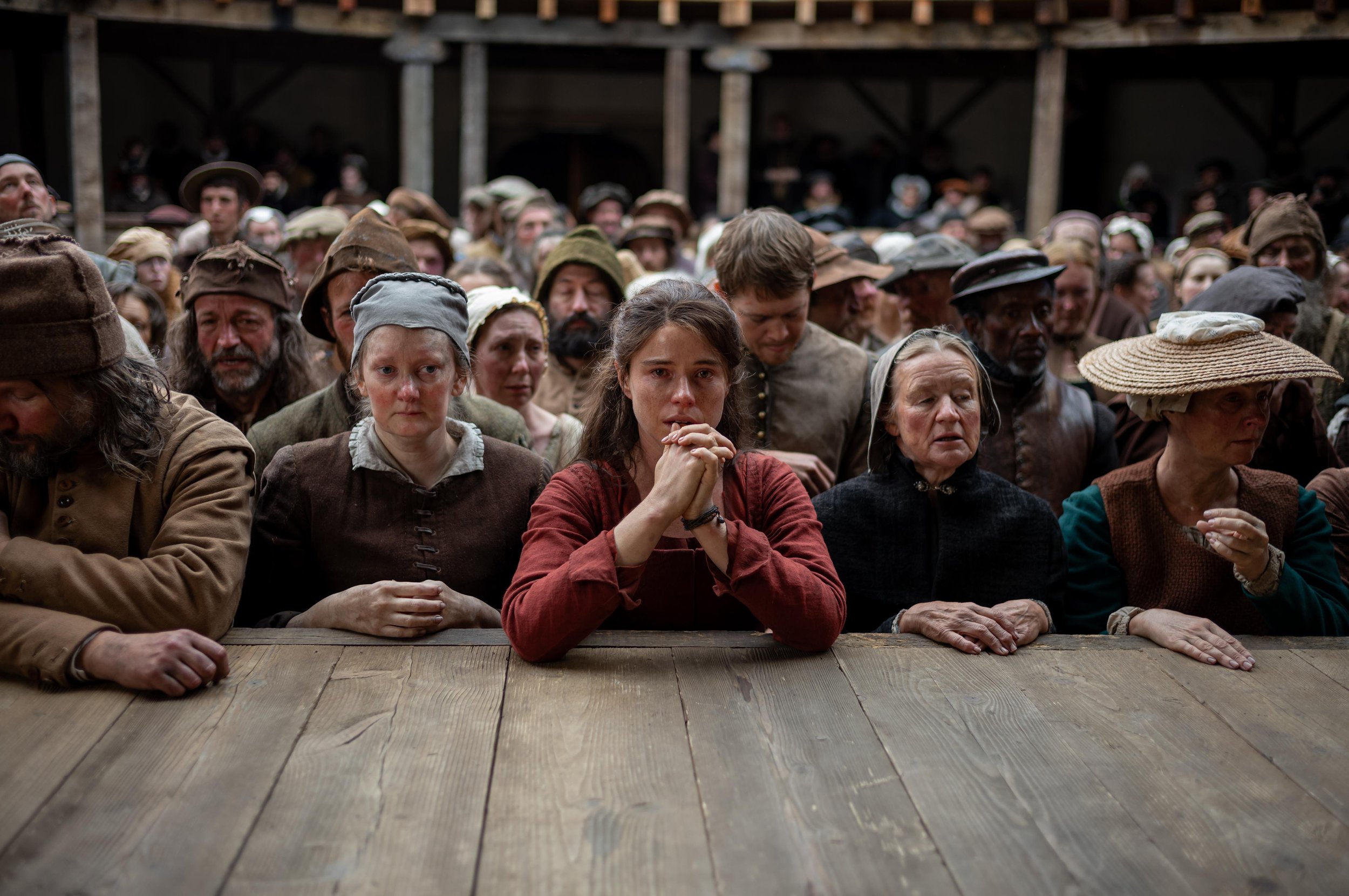
I went into Hamnet expecting a love story more than anything and left crying about three times. This is a movie about Shakespeare, but it is not centered on Shakespeare alone. Hamnet really focuses on Shakespeare’s wife, Agnes, more than anything, and the family they had together.
They lose their child Hamnet from what many believe to be the plague, and deep grief follows all family members afterward. Agnes, understandably so, seems to be hit the hardest.
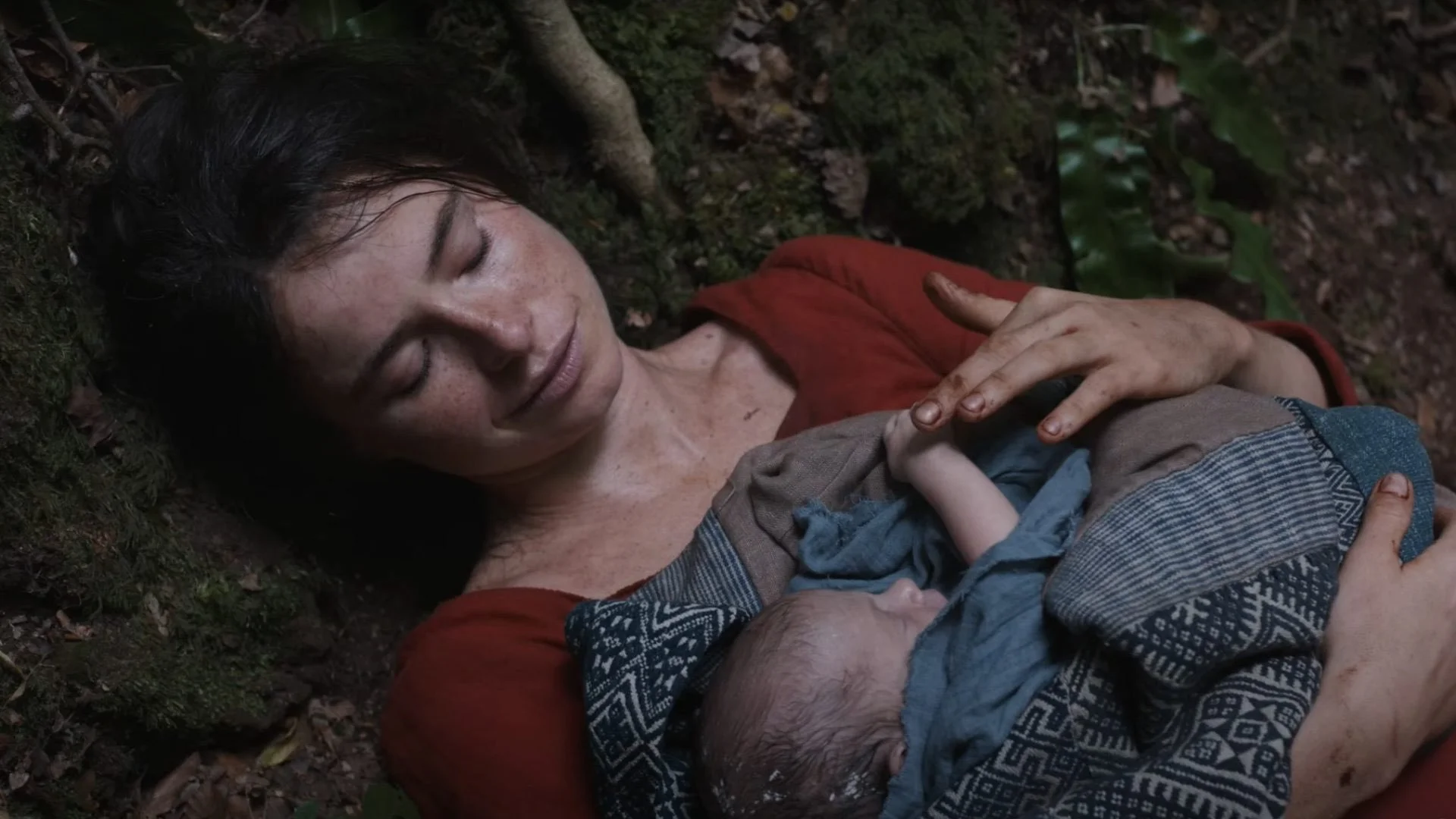
From the beginning of Hamnet, we see that Agnes is very in tune with nature. She is witchy, but in a good way that still makes some people uncomfortable. She even gives birth to their first child, Susanna, outside in a wooded area that she often visits. For her second birth of twins, Hamnet and Judith, she experiences a very difficult and challenging birth that she is forced to do inside.
This is one of the most emotional childbirth scenes I have ever seen in my life. Just thinking about it tears me up again. You can feel a range of emotions that Agnes is going through as she reflects on losing her own mother during her final childbirth and how she was not allowed to see her. You can feel the fear, sadness, and pain as she cries out for her mom while delivering her own children. Her mother-in-law, who she has had a rocky relationship with, comforts her in this moment as she is full of empathy like the audience. It is a painfully beautiful scene.
Hera Pictures
If I Had Legs I’d Kick You
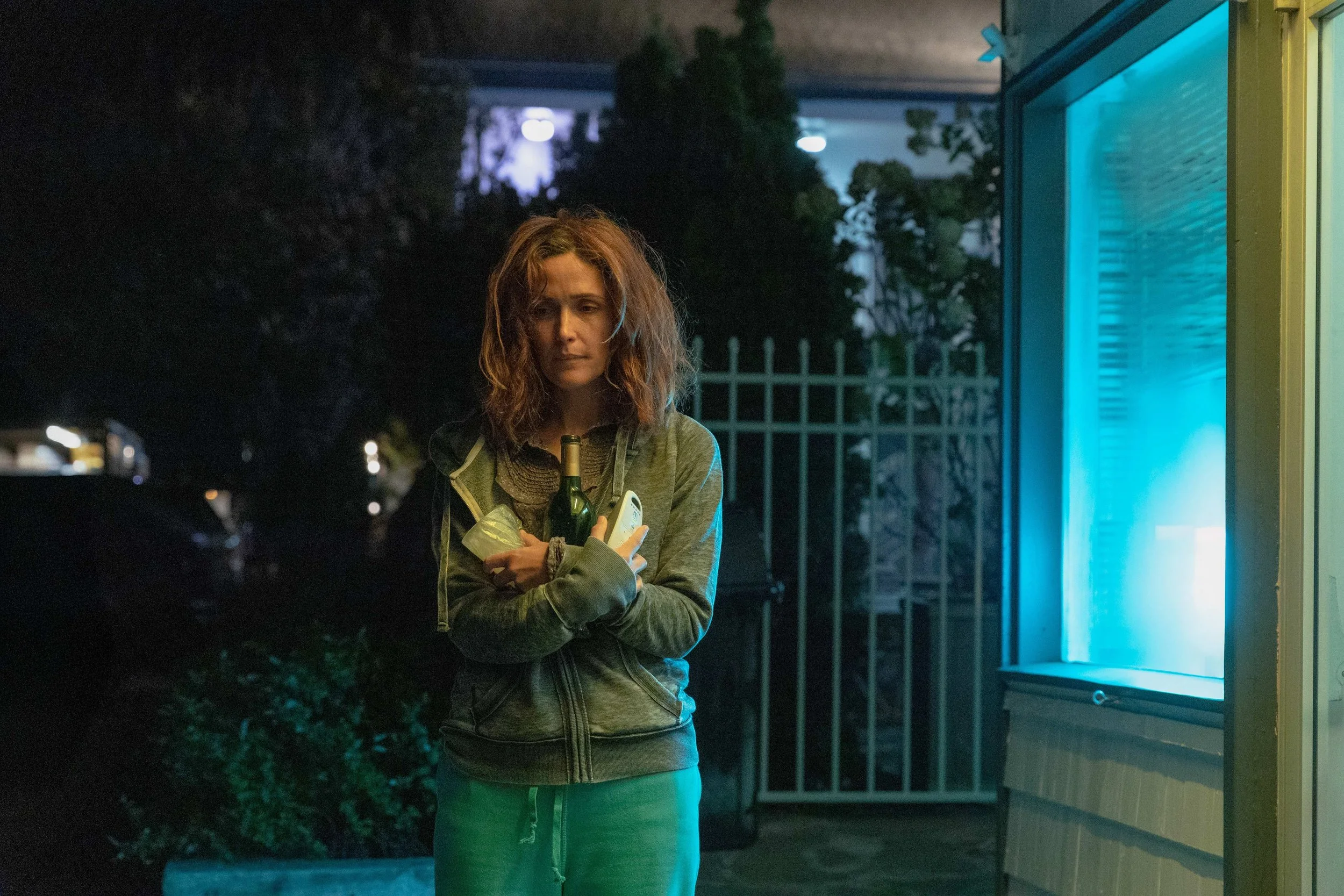
I know the bulk of these stories have focused on childbirth, but there are also a couple of stories that do not show childbirth at all and still show how difficult motherhood can be after women have survived the battle of delivering children. The film If I Had Legs I’d Kick You, in particular, is a deep dive into the mental health struggles of a mother raising a child with an eating disorder. The craziest part has to be that the main character, Linda, is a therapist herself, but she seems to not even have enough time to care for her own mental health between work, her daughter’s needs, and essentially no support from her husband. The only relief that she seems to get is late at night when her daughter is asleep and she sneaks off to grab a bottle of wine.
What’s really daunting about this movie is that everyone seems to want to make Linda feel like she is not a good mother. The story shows that mothers are expected to be these perfect beings that place all of their personal needs second to their child and makes you reflect on whether that is actually okay or not.
A24
Die, My Love
Die, My Love is easily the most surreal and unsettling film on this list.
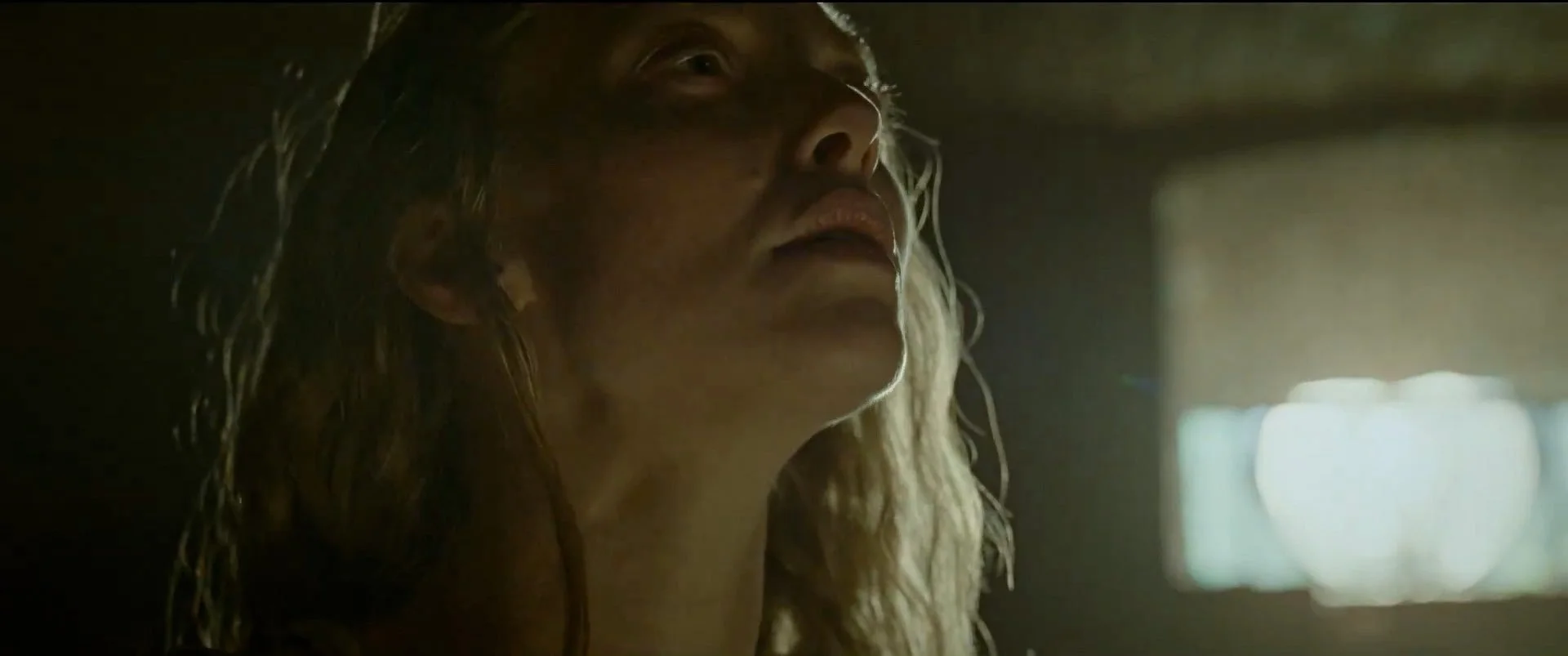
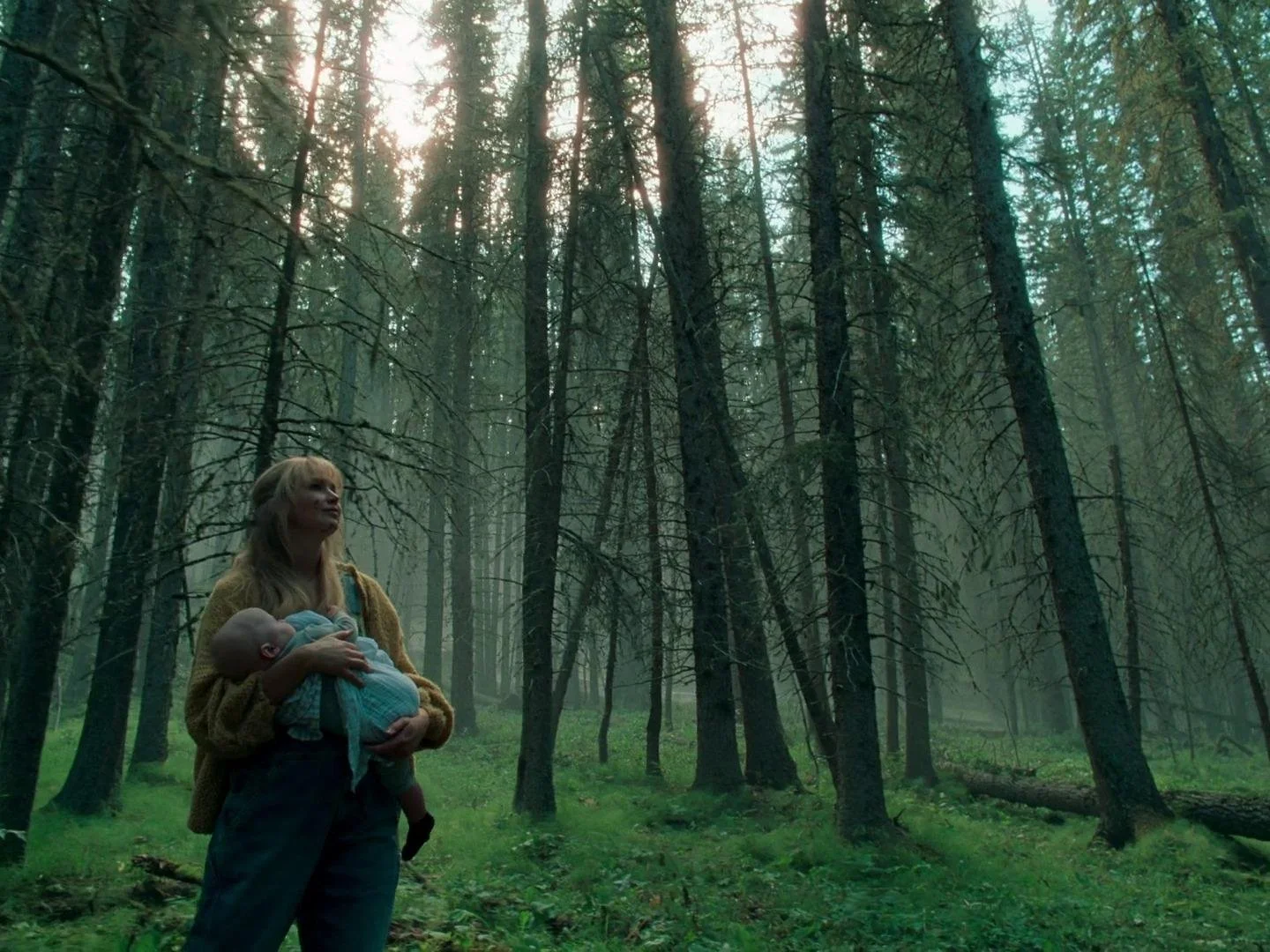
It follows a woman experiencing severe postpartum depression that begins to blur into psychosis. After giving birth, her sense of reality begins to fracture, and her relationship with her husband deteriorates.
She loves her child, but she also becomes increasingly detached from reality, experiencing hallucinations and emotional disorientation. The film never fully clarifies what is real, which makes it even more disturbing.
The ending is ambiguous. She is seen walking into a burning forest, and it is unclear whether this represents death, escape, or rebirth.
What makes it so unsettling is how isolating it feels. Like If I Had Legs I’d Kick You, she is left to navigate motherhood largely alone, and her mind becomes the only place where she can process it.
It is one of the most horrifying portrayals of postpartum mental health I have ever seen.
Mubi
What connects all of these stories is not just motherhood, but the emotional and physical transformation it demands. They explore fear, grief, isolation, love, and endurance in ways that refuse to idealize the experience.
Motherhood is often expected to look effortless, selfless, and serene. But these films and shows challenge that expectation by showing something more complicated: that motherhood can be beautiful and devastating at the same time.
And maybe what makes it so powerful is not perfection, but survival and resilience.